
UK ROOTS. AFRICAN PURPOSE. GLOBAL CONNECTIONS.
Doncaster, South Yorkshire, UKadmin@ntabtech.ltd
Port logistics and asset visibility

A clearer view of port assets

Proposed asset and workflow tracking for port operations, connecting equipment records, warehouse movements, inspections and accountable custody through technologies selected for each site's infrastructure.

NTABTECH / PORTSCONFIGURED FOR YOUR OPERATION
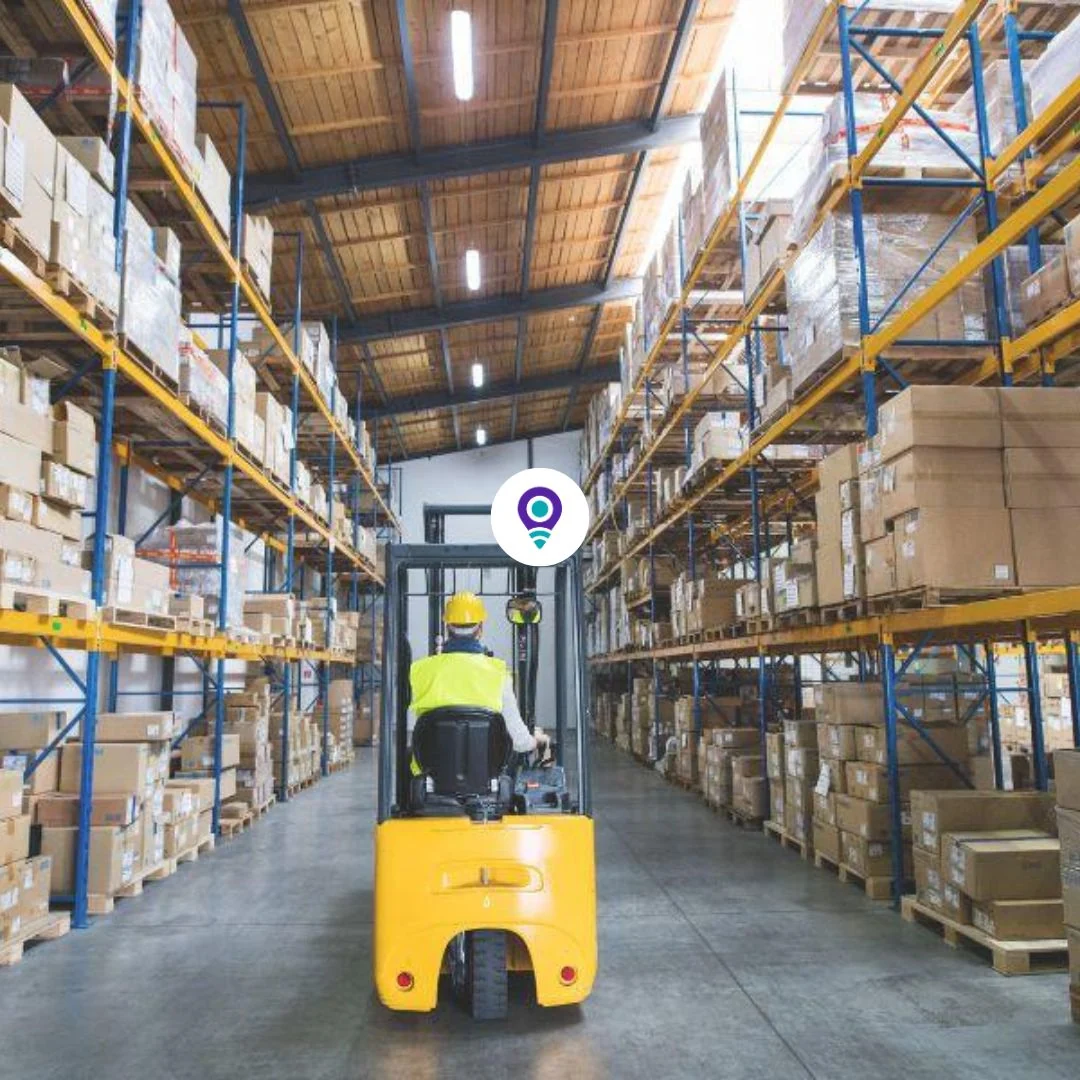
Warehouse tracking portfolio illustration
Warehouse tracking portfolio illustrationImage source · Tracker IoT
VIRTUAL TECHNOLOGY EXPERIENCEILLUSTRATIVE DATA · NOT LIVE
SAMPLE ASSETS03RECORDED DEMO EVENTS00WORKFLOW STAGE01 / 06SAMPLE ALERTS00 no event
Interactive technology model
Select an asset. Explore its story.Drag to rotate
FOLLOW THE WORKFLOWRegister the asset
Ready to simulate: Register the asset · PORTS-DEMO-001
01 / UNDERSTAND THE POSSIBILITIES

Visibility with purpose.

Port operations coordinate equipment, stores, vehicles and controlled records across busy, changing environments. A proposed tracking programme can bring those asset registers and workflows into one configurable system, using barcode or QR labels, RFID, BLE or Wi-Fi where suitable. GPS/GSM may support location updates for appropriate assets when coverage and device requirements are confirmed. Teams can record receiving, put-away, dispatch, audits, maintenance, inspections and custody changes, with supporting files and reports. The practical design depends on site layout, operating procedures, connectivity, reader placement and security rules. NTABTECH routes all commercial enquiries and works with the customer and partner to assess fit before any port-sector implementation is proposed; no port deployment is represented as completed.

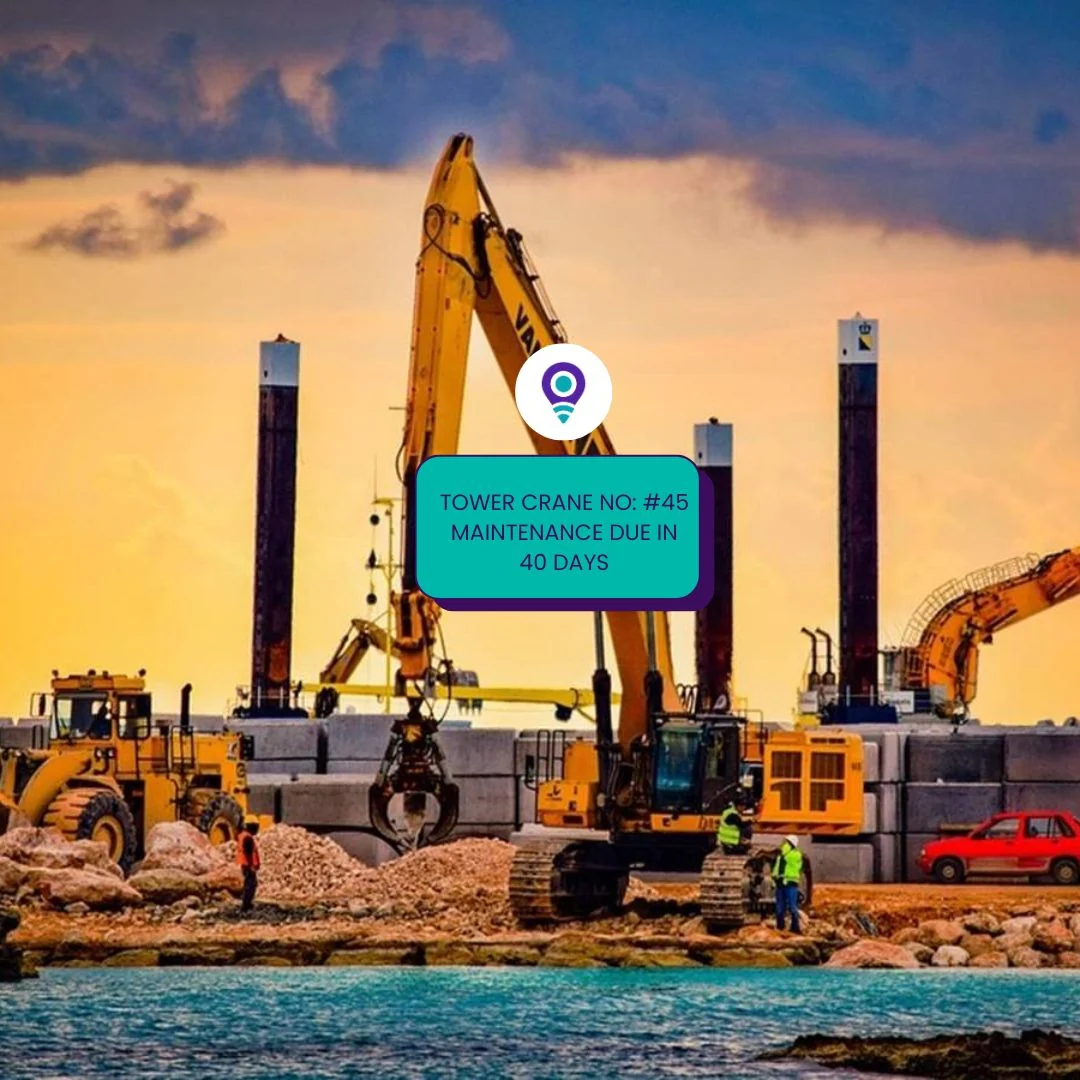
Heavy-equipment tracking portfolio illustration
Heavy-equipment tracking portfolio illustrationImage source · Tracker IoT
02 / PRACTICAL APPLICATIONS

Designed around
the way you work.

Proposed applications. Technology, coverage and workflows are validated through a technical assessment.

01

Stores and warehouse movements

Propose barcode, QR or RFID workflows for recording receiving, put-away, dispatch and stock audits in port stores. A configured register can associate an item with its record and movement history; label, reader and process choices require assessment against warehouse layout and procedures.
02

Shared operational equipment

Create a proposed register for tools, handling equipment and office or industrial inventory, with assignment, last-detected or live-location views only where the chosen technology and installed infrastructure support them. Teams can link asset records to files and report on recorded movement and status.

03

Maintenance and inspections

Use configurable records and workflows to schedule or document maintenance, inspections and calibration for eligible equipment. Staff can associate service notes and supporting files with an asset and review its history. Required checks, responsibilities and reminders should follow port policy and be confirmed during design.

04

Custody and controlled records

For authorised administrative use, propose check-in/out and custody-transfer records for selected equipment, vehicles or controlled files, with role-based access and audit history. Evidence or other sensitive records require approved procedures, restricted access and retention rules; this is accountability support, not tactical guidance or personnel surveillance.

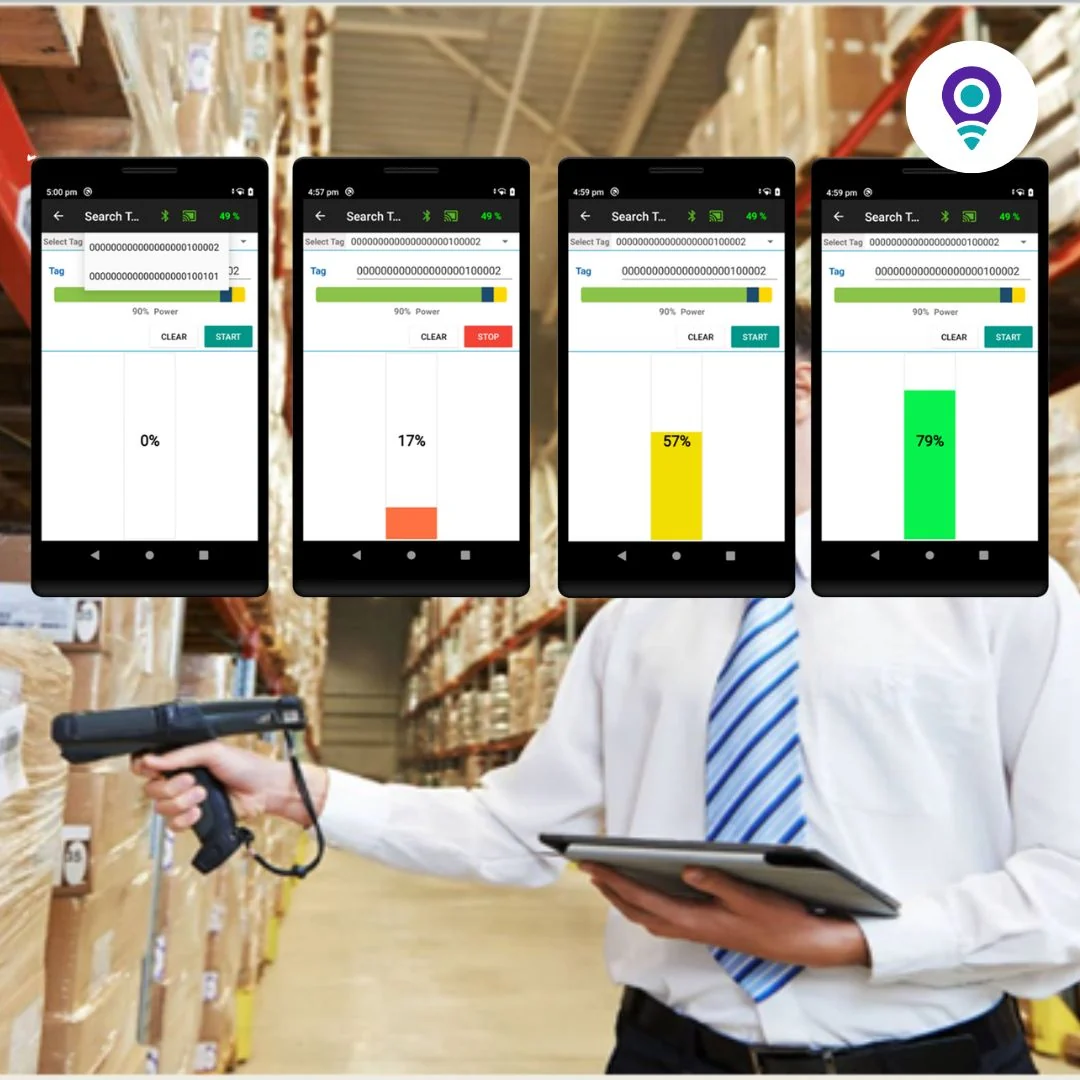
Warehouse inventory and recorded-location illustration
Warehouse inventory and recorded-location illustrationImage source · Tracker IoT
03 / A STRONGER OPERATIONAL PICTURE

More consistent records

Bring selected registers and movement events together, helping authorised teams review recorded asset history without assuming every area has live location coverage.

Workflows matched to operations

Configure receiving, dispatch, audits and service records around agreed procedures, with fields and permissions aligned to each site's responsibilities.

Accountable, controlled access

Use role permissions, audit trails and documented retention to support responsible custody, while minimizing personal data and prohibiting covert monitoring.

Technical assessment comes first.

Port-sector applications described here are proposed, not delivered or verified deployments. Technical assessment is required to confirm site conditions, connectivity, reader placement, compatible devices, workflows, security and data governance. GPS determines position; cellular transports data where coverage exists. Satellite communications are unconfirmed and require separate assessment. Passive RFID responds to powered readers; it does not provide continuous location by itself. No accuracy, range, battery-life or certification guarantee is made. Personnel data must be minimised, access-controlled and retained only under approved policy, with consent where applicable; covert surveillance is excluded. All commercial enquiries go to NTABTECH.

All visuals and records in this experience are illustrative. Location is a recorded detection or sample GPS event, not a guarantee of continuous live positioning.

Warehouse tracking portfolio illustration
Warehouse tracking portfolio illustrationImage source · Tracker IoT
FROM THE PORTFOLIO

Identification. Visibility. Accountability.

Portfolio imagery helps explain the technologies behind a potential solution. The equipment, coverage and configuration for your own organisation are confirmed during project assessment.

Your assets. Your context. NTABTECH.
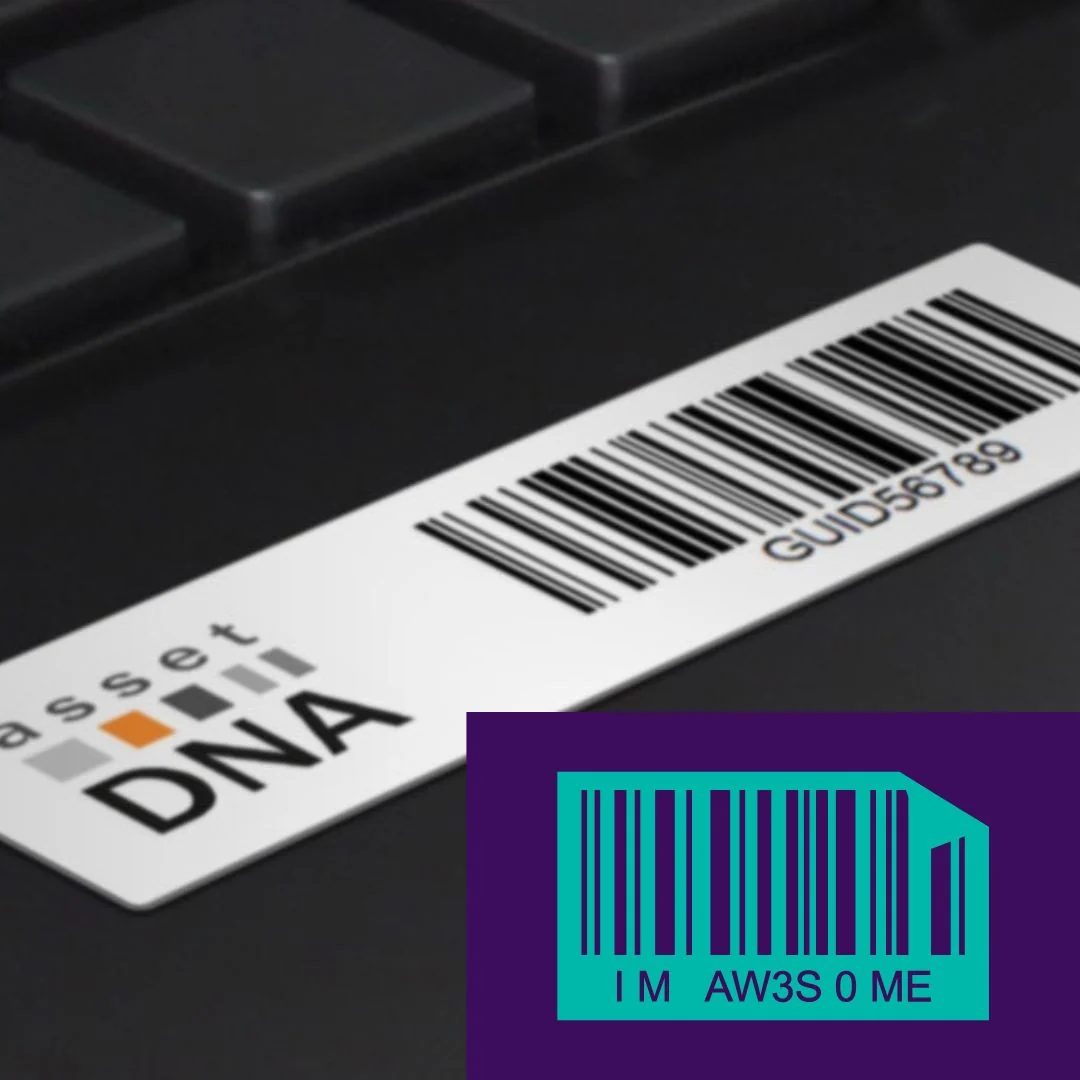
Identification tags in the Tracker IoT portfolio
YOUR NEXT CHAPTER

Let’s connect
the possibilities.

Start with your challenge. We’ll help shape the right tracking solution.